


Explore the Florida Secretary of State's core duties, headed by current official Cord Byrd, who assumed office in 2023 under Governor Ron DeSantis. This role, outlined in Florida Statutes 20.10, encompasses overseeing elections, cultural affairs, and the Great Seal. While no specific qualifications are mandated, experience in law, public service, or political science is beneficial. The appointment process guarantees merit-based selections confirmed by the Florida Senate. Dive deeper to uncover additional key responsibilities, appointment procedures, and insights into this vital governmental position.
Current Officeholder
Analyzing the current officeholder of the Florida Secretary of State reveals Cord Byrd, a Republican Party member who assumed office in 2023 under Governor Ron DeSantis' appointment and subsequent confirmation by the Florida Senate. As the State Protocol Officer, Chief of Elections, and Chief Cultural Officer, Cord Byrd holds a pivotal role in the state's governance. Hailing from the Jacksonville Beaches as a fifth-generation Floridian, Byrd brings a deep-rooted connection to the state, which can influence his decisions and policies. Byrd's previous experience in the Florida House of Representatives provides him with a solid background in state-level politics, enhancing his ability to navigate the complexities of the Secretary of State position effectively. By being entrusted with managing the state's elections, cultural initiatives, and state library services, Byrd's responsibilities impact the lives of all Floridians. His appointment by Governor DeSantis and subsequent confirmation underscore his alignment with the state's leadership, ensuring a cohesive approach to governing Florida.
Authority and Jurisdiction
Established by Florida Statutes 20.10, the Florida Secretary of State holds authority over a diverse range of vital functions within the state's governance structure. As the head of the Department of State, the Secretary of State wields significant power over essential aspects such as the Great Seal, elections, and cultural affairs in Florida. The office's jurisdiction extends to managing the Division of Cultural Affairs, overseeing cultural projects, and acting as the State Protocol Officer, highlighting the broad scope of responsibilities.
Under the Secretary of State's purview lies the critical task of maintaining state records, archives, and ensuring adherence to state laws and regulations. This role not only involves administrative duties but also plays a fundamental part in upholding the integrity and transparency of Florida's governance.
In addition to these responsibilities, the Secretary of State is tasked with managing information services and the state library, further emphasizing the office's central role in facilitating access to information and promoting cultural enrichment within the state.
Qualifications and Requirements

When considering the qualifications and requirements for the Florida Secretary of State position, you may find that no specific prerequisites are outlined. This absence of specific qualifications allows for a diverse range of individuals to potentially fill the role. The discussion may then shift towards the necessary experience, key skills, and competencies that would be beneficial for an individual undertaking this significant governmental position.
Minimum Qualifications Needed
The position of the Secretary of State in Florida does not have specific qualifications mandated for eligibility. This lack of set requirements allows for a diverse range of individuals to potentially hold the role, bringing unique perspectives and experiences to the position. While there are no strict guidelines in place, individuals who aspire to become the Secretary of State in Florida often possess a background in law, public service, political science, or related fields. The flexibility in qualifications reflects the importance of a well-rounded skill set that can effectively manage the multifaceted responsibilities of the office. This open approach to qualifications underscores the value placed on adaptability and competency in serving the state of Florida as Secretary of State.
Required Experience for Role
For aspiring candidates seeking to serve as the Florida Secretary of State, possessing a diverse background in law, public service, political science, or related fields is often advantageous. Here are three key areas of experience that would benefit individuals aspiring to fulfill the role of the Florida Secretary of State:
- Experience as Chief of Elections: Understanding election procedures and regulations is essential for overseeing the state's electoral processes effectively.
- Experience as Cultural Officer: Knowledge and appreciation of cultural affairs and programs within Florida can enhance the promotion and preservation of the state's cultural heritage.
- Experience as State Protocol Officer: Familiarity with state protocols and official ceremonial duties is vital for representing the state with dignity and respect at various events and functions.
Key Skills and Competencies
To excel as the Florida Secretary of State, candidates must possess a thorough understanding of state laws governing various aspects such as elections, business filings, and cultural affairs. Knowledge of state laws and regulations, leadership abilities, and familiarity with regulatory processes are essential for effective performance in this role. Experience in managing complex governmental functions, overseeing state records and archives, and promoting historical preservation is vital. Strong leadership skills, effective communication, and the ability to collaborate with diverse stakeholders are also important for success as the Secretary of State. Additionally, understanding flag and seal protocol, state ceremonial duties, and the significance of upholding state symbols are key competencies required for this position. Familiarity with election administration and state-level governance structures further enhances the candidate's suitability for the role.
Appointment Process
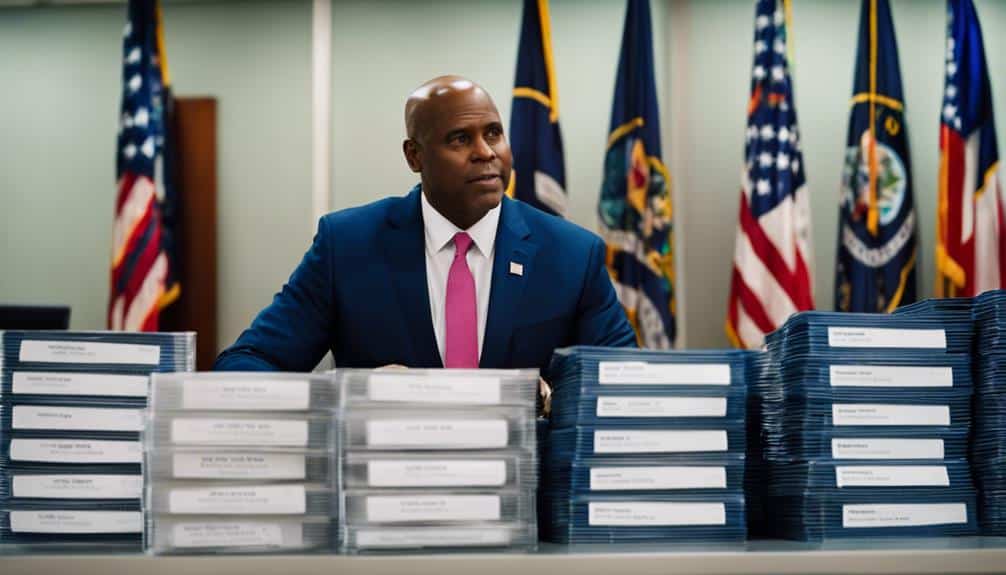
When it comes to the appointment process of the Florida Secretary of State, the selection of candidates by the Governor and subsequent approval play pivotal roles. Legislative confirmation is a necessary step in finalizing the appointment, ensuring a system of checks and balances. This process highlights the collaborative nature of filling such a key governmental position.
Selection of Candidates
The appointment process for candidates seeking the position of Secretary of State in Florida involves selection by the Governor with subsequent confirmation by the Florida Senate. This process guarantees that qualified individuals are chosen for the role based on merit and suitability for the position. Here are three key points regarding the selection of candidates:
- Governor Appointment: The Governor plays a vital role in nominating individuals for the position of Secretary of State, considering various factors before making a selection.
- Florida Senate Confirmation: Following the Governor's appointment, the nominee must undergo confirmation by the Florida Senate, where their qualifications and capabilities are further reviewed.
- Vacancy Filling: In cases of a vacancy, the appointee serves the remainder of the term, maintaining continuity in the role and responsibilities of the Secretary of State.
Approval by Governor
With the Governor's role in nominating candidates for the position of Secretary of State being pivotal, the subsequent approval process by the Florida Senate holds significant weight in finalizing the appointment. The confirmation process not only guarantees that the appointee aligns with the Governor's vision and priorities for the Department of State but also establishes a level of political accountability. By requiring approval from the Florida Senate, the process introduces oversight into the selection of the Secretary of State, allowing for a check on the Governor's decision. This system ensures that the individual chosen for the role reflects the collective interests and values of the state, promoting transparency and accountability in the appointment of key governmental positions.
Legislative Confirmation Required
Given the governing structure in Florida, the appointment of the Secretary of State hinges on the legislative confirmation process, an important step in finalizing the selection. This process guarantees accountability and oversight in choosing the individual for this pivotal role in the state government. Here are three key points to ponder:
- Legislative Confirmation: The Florida Secretary of State is appointed by the governor but must be confirmed by the Florida Senate, highlighting the significance of a thorough review by the legislative branch.
- Accountability: The requirement for legislative confirmation holds the appointee accountable to both the executive and legislative branches, promoting transparency and trust in the selection process.
- Oversight: The confirmation process provides a level of supervision, ensuring that the chosen Secretary of State meets the necessary qualifications and standards expected for the position.
Term Limits and Extensions

Term limits are not imposed on the Florida Secretary of State, allowing for consecutive terms without restriction. This means that an individual holding the position can serve multiple terms in office if re-elected by the voters. Unlike some other governmental positions that have term limits, such as the presidency, the Secretary of State in Florida can continue in their role for an indefinite number of terms.
The absence of term limits for the Florida Secretary of State provides continuity in leadership and allows for the accumulation of experience over time. This can be beneficial in ensuring stability and expertise in managing the state's electoral processes, business regulations, and cultural affairs.
In the event of a vacancy in the office of the Secretary of State, the Governor has the authority to appoint a replacement to serve the remainder of the term. This appointment is subject to confirmation by the Florida Senate, ensuring a level of oversight and accountability in the selection process.
Handling Vacancies
In the event of a vacancy in the office of Florida Secretary of State, the Governor is responsible for appointing a replacement with confirmation from the Florida Senate. This process guarantees a smooth shift and continuity in the functioning of the office. When handling vacancies, it is essential to adhere to specific guidelines:
- Governor's Appointment: The Governor selects the individual to fill the vacant position, who then requires confirmation from the Florida Senate. This dual process emphasizes the importance of both executive and legislative branches in the decision-making.
- Remaining Term Completion: The appointee chosen to fill the vacancy serves for the remaining term of the previous officeholder. This mechanism ensures that the office continues its operations without extended gaps in leadership.
- Consequences of Non-Confirmation: Failure to confirm the Governor's appointment within the stipulated timeframe results in the officeholder vacating the position within 30 days. This provision underscores the significance of timely decision-making and collaboration between the Governor and the Senate in maintaining the office's functionality.
Key Duties and Responsibilities
As you explore the key duties and responsibilities of the Florida Secretary of State, you will gain insight into the vital roles this position fulfills within the state government. Understanding the essential functions performed by the Secretary of State offers a thorough view of their impact on various aspects of governance and state affairs. Delving into these key duties provides a deeper appreciation for the multifaceted responsibilities entrusted to the individual holding this office.
Key Duties Overview
The Florida Secretary of State's key duties encompass overseeing state elections, managing official ceremonies, supporting cultural initiatives, preserving records, and providing resources to creative institutions. These responsibilities highlight the diverse role the Secretary plays in shaping Florida's political and cultural landscape:
- Chief of Elections: As the head of the state's election processes, the Secretary guarantees fair and efficient elections for all Floridians.
- State Protocol Officer: By managing official ceremonies and events, the Secretary upholds the state's traditions and fosters a sense of unity among its residents.
- Chief Cultural Officer: Supporting arts and cultural initiatives showcases the Secretary's dedication to promoting Florida's rich cultural heritage and fostering creativity statewide.
Important Functions Summary
Overseeing the various departments and divisions under its purview, the Florida Secretary of State fulfills important functions that contribute to the state's governance and cultural preservation. The Secretary of State plays a pivotal role in ensuring fair and accurate elections by overseeing the Division of Elections. Additionally, managing the Division of Corporations, the Secretary serves as the central hub for business filings in Florida. Preserving Florida's historical and archaeological resources is another key responsibility through the Division of Historical Resources. Collaborating with the Department of Commerce via the Office of International Affairs, the Secretary facilitates international relations. Furthermore, as the custodian of the Great Seal of Florida, upholding flag and seal protocol is imperative to symbolize the state's identity and integrity.
Signature Verification Tasks
Ensuring the accuracy of signatures on official documents is a critical responsibility overseen by the Florida Secretary of State. Signature verification plays a pivotal role in maintaining the integrity of the electoral process, particularly concerning mail-in and absentee ballots. Here are three key aspects regarding signature verification tasks:
- Protecting Electoral Integrity: Signature verification is essential to confirm that the individuals casting their votes through mail-in or absentee ballots are indeed who they claim to be. This process helps safeguard against fraudulent activities that could compromise the fairness of elections.
- Trained Professionals: The Department of State typically employs trained professionals to handle signature verification tasks. These individuals possess the expertise and attention to detail required to accurately compare signatures on official documents with known samples.
- Preventing Fraud: By meticulously verifying signatures, the Secretary of State's office can effectively prevent potential fraud, ensuring that only valid votes are counted in the electoral process.
Managing the State Budget
When managing the state budget, you are tasked with overseeing the allocation process, ensuring funds are distributed efficiently. Your role involves implementing fiscal responsibility measures and maintaining financial oversight duties to safeguard against mismanagement. Analyzing data, forecasting revenue, and evaluating expenditures are essential components to effectively managing the state budget and ensuring fiscal stability.
Budget Allocation Process
In managing the state budget, the Florida Secretary of State orchestrates the intricate process of allocating funds to various divisions and programs within the Department. This involves careful consideration of legislative appropriations, strategic priorities, and performance metrics. Here are three key aspects of the budget allocation process:
- Collaboration with division heads, financial experts, and stakeholders to prioritize funding needs.
- Ensuring funds are utilized efficiently, effectively, and in compliance with state regulations.
- Upholding transparency and accountability through regular reporting on expenditures and outcomes to relevant parties.
Fiscal Responsibility Measures
To effectively manage the state budget, the Florida Secretary of State implements stringent fiscal responsibility measures that prioritize efficiency and transparency. This includes developing thorough budget proposals, closely monitoring expenditures, and regularly reporting on the financial performance to guarantee accountability. By working collaboratively with relevant divisions, the Secretary of State can allocate resources effectively and efficiently, optimizing the budget where possible. Cost-saving initiatives are a key focus, with a continuous effort to identify areas for budget optimization and efficiency. Ultimately, these measures play an important role in maintaining the state's financial stability and promoting transparency in government operations. Through these actions, the Secretary of State contributes significantly to the overall fiscal responsibility of Florida's governance.
Financial Oversight Duties
The Florida Secretary of State's oversight of financial matters includes managing the state budget by ensuring proper allocation of funds for various programs and initiatives under the Department's jurisdiction.
- The Secretary monitors expenditures, revenues, and budgetary compliance to maintain fiscal responsibility.
- Developing annual budgets and financial plans is a pivotal responsibility to guarantee effective financial management.
- By overseeing budget allocation, the Secretary promotes transparency and accountability in the use of state resources.
These financial oversight duties are essential for maintaining the financial health of the Department and ensuring that taxpayer funds are utilized efficiently and in line with the state's priorities. The Secretary's role in financial management directly impacts the Department's ability to carry out its functions effectively and responsibly.
Compensation Details for the Role
Reflecting the significance and scope of the role, the Florida Secretary of State is compensated with an annual salary of $128,972.32 as of 2023, as mandated by the state's constitution and subject to periodic adjustments. In addition to this salary, the Secretary of State may receive benefits such as health insurance and retirement contributions. The compensation package for the Secretary of State is designed to attract qualified individuals to fulfill the responsibilities of the position effectively. The salary, benefits, and responsibilities of the role are all interconnected, with the compensation reflecting the importance of the duties involved in overseeing elections, maintaining public records, and serving as the state's chief cultural officer. The transparency of the Secretary of State's salary being publicly available information promotes accountability and allows for scrutiny by the state legislature. Overall, the compensation details for the Florida Secretary of State underscore the significance of the position within the state government and the value placed on fulfilling its duties.
Recent Compensation Trends
Recent legislative changes and public scrutiny have influenced the compensation trends for the Secretary of State position in Florida.
- Legislative Changes: The Secretary of State's compensation has seen adjustments in response to recent legislative mandates aimed at aligning salaries with market standards and performance metrics.
- Budgetary Considerations: Budget constraints play a significant role in determining the compensation trends for the Secretary of State. The state's financial situation and allocation of resources impact the salary levels and benefits associated with the position.
- Public Scrutiny: Increased public awareness and scrutiny regarding government spending have led to a more transparent approach to setting compensation for the Secretary of State. Public opinion and demands for fiscal responsibility influence decisions related to the compensation package.
These factors collectively shape the current landscape of compensation trends for the Secretary of State in Florida, highlighting the intricate balance between legislative requirements, budgetary constraints, and public expectations.
Historical Compensation Data
Given the limited availability of historical compensation data in public records, understanding the past pay structure for the Florida Secretary of State position requires a thorough analysis of legislative decisions and economic factors. The compensation for the Florida Secretary of State has been subject to changes determined by the state legislature over time. This compensation package may encompass a base salary, benefits, and allowances as approved through legislative action. The variability in compensation highlights the importance of legislative involvement in setting the Secretary of State's pay. Factors such as budget constraints, economic conditions, and state priorities play a significant role in shaping the compensation package for the Florida Secretary of State position. As historical compensation data is not readily accessible, it is essential to take into account the influence of legislative actions on past compensatory structures for the Secretary of State role in Florida.
Listing of Former Officeholders
An extensive collection of former officeholders who have served as Secretary of State in Florida showcases a diverse range of individuals spanning different periods in the state's history. These individuals have played important roles in shaping Florida's political landscape and upholding the state's governance.
Here are three significant former officeholders who have served as Secretary of State in Florida:
- George Walton: He was the first civilian to serve as Secretary of the Territory of Florida from 1822 to 1827, contributing to the early establishment of the state's administrative framework.
- Katherine Harris: Serving as Secretary of State of Florida from 1999 to 2002, she oversaw key responsibilities during a time of significant political importance, particularly during the General Election in 2000.
- William D. Bloxham: Holding the position of Secretary of State from 1877 to 1880, Bloxham played a significant role in upholding the principles outlined in the Florida Constitution during his tenure.
These former officeholders have left indelible marks on Florida's political history, shaping the state's governance and electoral processes.
Noteworthy News and Updates

Significant developments in the domain of Florida Secretary of State responsibilities and functions have sparked significant interest and discussion among state officials and constituents alike. The Department of State, under the leadership of Secretary Cord Byrd, plays an important role in overseeing the Division of Elections, ensuring the integrity and fairness of electoral processes in Florida. Additionally, Secretary Byrd serves not only as the State Protocol Officer but also as the Chief Arts and Culture Officer, highlighting the diverse range of responsibilities encompassed by this position.
The Department of State's management of the official flag and seal of Florida is a key aspect of Secretary Byrd's duties, including upholding proper usage and display protocols. Collaborating with other state agencies on matters related to the flag and seal is essential to preserving their historical significance and ensuring their appropriate representation. These recent updates underscore the multifaceted nature of the Secretary of State's role and the importance of their contributions to the state's governance and cultural heritage.
Frequently Asked Questions
What Are the Duties of the Secretary of State?
As you explore the duties of the Secretary of State, you will discover a wide range of responsibilities. From overseeing election processes and administrative tasks to managing record-keeping and public information services, the Secretary plays an essential role in ensuring the smooth functioning of government operations. Notary services and business registration also fall under their purview, highlighting the diverse and essential functions they perform in serving the state and its citizens.
What Are the Powers of the Secretary of State?
When it comes to the powers of the Secretary of State, you play an essential role in election oversight, ensuring fair and transparent processes. Your administrative duties involve managing official state symbols and serving as a protocol officer. Policy implementation falls under your purview, guiding the state's direction in arts, culture, and record-keeping. Your influence is felt across various functions, shaping the state's policies and procedures.
What Does the Department of State Do in Florida?
In Florida, the Department of State plays a vital role in managing voter registration, overseeing elections, and issuing business licenses. This department guarantees that elections are fair and accurate, supports county Supervisors of Elections, and serves as the central hub for business filings. Additionally, it preserves and promotes the state's historical and archaeological resources and manages the Florida State Library, Archives, and state records center.
What Function Does the Secretary of State Serve in Most State Governments?
In most state governments, the Secretary of State plays a vital role in overseeing election integrity, ensuring fair and accurate voting processes. Additionally, they manage business registration procedures and regulate lobbying activities. This multifaceted position involves balancing the responsibilities of election oversight, business facilitation, and lobbying regulation to maintain the proper functioning and integrity of state governance. The Secretary of State's role is pivotal in upholding transparency and efficiency across various governmental functions.